

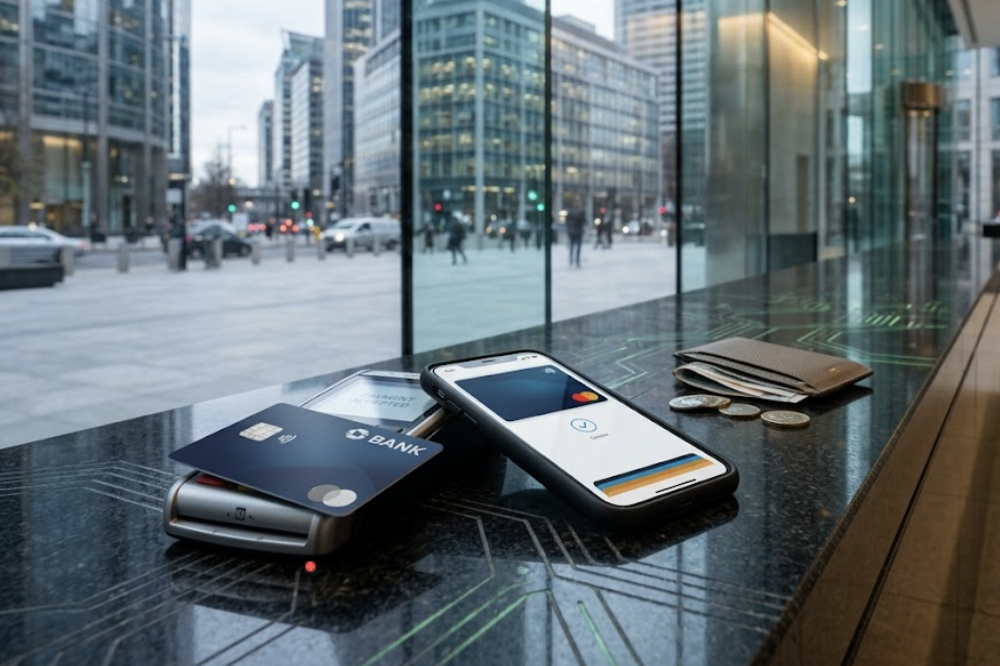
Go digital. Go online. Go cash-less — or at least, go less-cash. If a cash payment or receipt is truly unavoidable, the underlying legal provisions need to be carefully considered, to avoid any tax impact or penal consequence. Here is a quick reference to the key rules that still apply today.
Deduction-related restrictions
- Mediclaim deduction (Section 80D): Not allowed if the premium is paid in cash.
- Donation deduction (Section 80G): Not allowed if a donation exceeding ₹2,000 is paid in cash.
Cash expenditure exceeding ₹10,000
- If a cash payment to a person during a single day exceeds ₹10,000, the entire amount is disallowed as expenditure under Section 40A(3), read with Rule 6DD.
- No depreciation is allowed on such an amount (Section 43).
- Section 40A(3) applies only where both the expenditure/purchase bill amount and the payment exceed ₹10,000.
- For transporters, the limit is higher — ₹35,000.
Taking or repaying loans and deposits
- No person can take a loan or deposit in cash of ₹20,000 or more (Section 269SS).
- No person can repay a loan or deposit in cash of ₹20,000 or more (Section 269T).
- The aggregate amount, along with any unpaid outstanding balance, is considered while checking this limit.
Receiving cash — Section 269ST
No person can receive ₹2 lakh or more in cash in any of the following situations:
- Aggregate cash received from a person in a day is ₹2 lakh or more.
- Cash of ₹2 lakh or more is received in respect of a single transaction.
- Cash of ₹2 lakh or more is received in respect of transactions relating to one event or occasion, from one person.
A penalty under Section 271DA is leviable on the receiver for contravention, equal to the sum so received. Such transactions must also be reported in Form 61A under Section 285BA, where the receiver is subject to tax audit under Section 44AB. This covers cash receipts of all kinds — cash sales, cash gifts, donations, and more.
A nudge toward digital
Under Section 44AD, the presumptive profit rate is 6% (instead of 8%) for the portion of turnover received through digital payments — a built-in incentive to go less-cash.
Political donations
Political parties lose the exemption under Section 13A if they receive a donation of ₹2,000 or more in cash.
Cash deposits and withdrawals
There are currently no blanket cash deposit or withdrawal limits on bank accounts, though banks may apply their own charges.
Check before you cash. When cash can’t be avoided, keeping these thresholds in mind can save you from an unwelcome tax notice or penalty later.
— Sanjay Kadel & Co.